Insured Risk Assessment Local Florence
Why Arborists Matter: All-Inclusive Care for Optimal Tree Growth and Security.
Arborists serve a vital role in maintaining the well-being and security of trees. The knowledge they possess covers areas like tree biology, pest management, and structural integrity. Regular maintenance is vital to preventing potential hazards and promoting growth. Nonetheless, a lot of homeowners overlook the signs of tree distress that could lead to serious consequences. Knowing what tree specialists provide can greatly impact the lifespan and aesthetics of landscapes. What are the key services they provide?
Understanding the Role of Arborists

While most people enjoy the beauty of trees, few understand the essential part that arborists play in maintaining their health and safety. Arborists are specialized professionals educated in the technique pertinent details and discipline of tree care. They hold profound insight of tree biology, ecology, and the various factors that influence tree development and firmness. Tree specialists evaluate trees for evidence of sickness, pest infestations, and weak points in the structure, making certain trees flourish in their environments. They highlight the ecological benefits of trees, such as carbon sequestration and wildlife habitat, pointing out their necessity in city development and environmental conservation. By using proven techniques in tree care, arborists help improve the general vitality of urban forests and landscapes. Their knowledge is crucial in informing the community about proper tree management, building more respect for trees and the vital part they play in the ecosystem.
Key Services Offered by Arborists
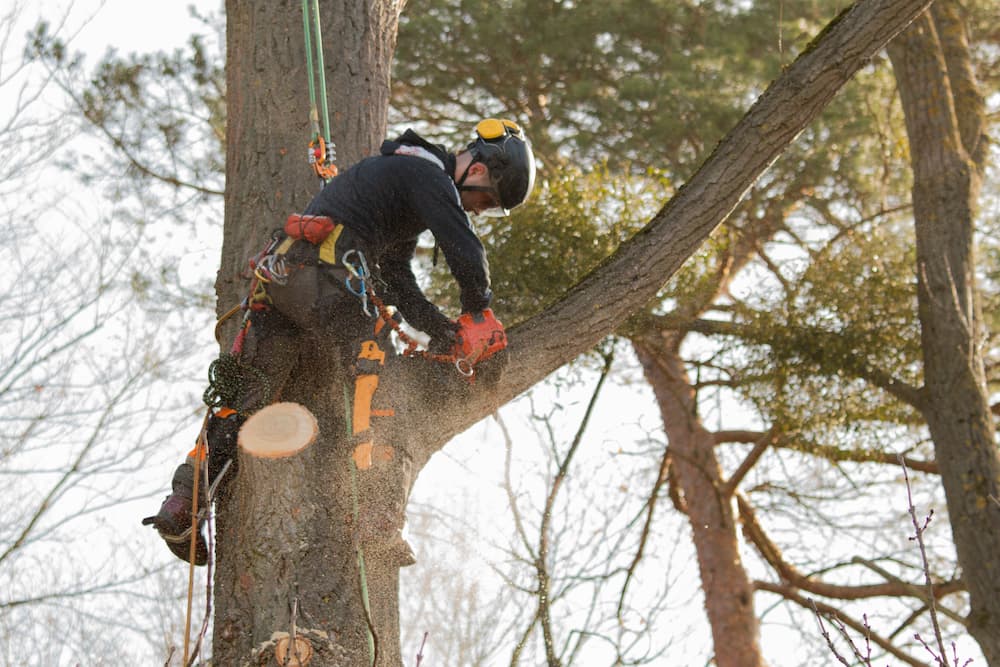
Arborists offer a wide range of crucial offerings that help maintain the well-being and security of trees. One primary service is tree pruning, which involves removing dead or diseased branches to encourage development and prevent hazards. Tree specialists perform tree assessments, evaluating the condition and structural integrity of trees, finding hidden threats, and advising on the best course of action. Furthermore, they assist with tree placement, making sure trees are situated in appropriate spots with optimal dirt composition to thrive
Another critical service is controlling diseases and pests, in which tree experts diagnose issues and carry out treatment strategies to preserve the trees (Florence Arborist). Furthermore, many arborists handle tree felling when necessary, securely removing hazardous trees to lessen hazards to property and people. To conclude, they offer consultation services, informing customers on practices for tree care that foster healthy growth. Taken together, these services are vital for preserving both urban and rural environments
The Benefits of Routine Tree Upkeep
Regular tree maintenance provides many advantages that improve the health of the trees and the safety of the surrounding environment. By providing steady maintenance, such as trimming and thinning, trees can become more vigorous, facilitating improved light penetration and better airflow. This fosters robust structural development and decreases the threat of pests and diseases. Additionally, regular maintenance assists in removing dead or hazardous branches, reducing the chance of personal injury or property damage during periods of strong wind.
Furthermore, well-maintained trees add positively to the aesthetic appeal of landscapes, increasing property value. They also support biodiversity by providing habitat for a variety of species. Engaging professional arborists ensures that maintenance practices are carried out accurately, using their knowledge to evaluate tree vitality and use suitable treatments. Overall, regular maintenance promotes a safer environment while improving the vigor and longevity of trees, benefiting both the ecosystem and the community.
Recognizing Indicators of an Unhealthy Tree
How can one identify when a tree is in distress? Knowing the indicators of tree distress is crucial for ensuring the health and safety of trees. Main indicators are leaves that are yellow or wilted, which may indicate a lack of water or a shortage of nutrients. In addition, a high volume of dropped leaves can be a sign of stress, especially in the growing months. Alterations in the bark's feel, such as cracking or peeling, often point to hidden issues, including disease or pest infestations. An unusual number of dead branches, particularly if they are widespread, indicates a loss of vigor. Furthermore, an unstable root system, indicated by leaning or roots visible above ground, could threaten a tree’s inherent strength. To conclude, the presence of fungi or mushrooms around the bottom of the tree may indicate decay. Early recognition of these indicators, tree owners can act decisively to lessen the dangers and foster optimal tree health, ensuring the longevity and safety of their trees.
Choosing the Right Arborist for Your Needs
In the process of choosing an arborist, what considerations are important to secure the most suitable provider for their tree care needs? First, qualifications are vital; a certified arborist should possess appropriate training and necessary qualifications in tree care. The arborist's experience matters greatly; arborists with extensive experience tend to offer superior service. In addition, checking references and customer reviews provides a clear view into an arborist’s level of professionalism and trustworthiness.
Another important consideration is the range of services offered. Be it disease management, emergency response, or pruning, a suitable arborist must be able to address to specific needs. Furthermore, it is wise to check on insurance and safety practices to guarantee coverage against potential liabilities. To conclude, obtaining multiple quotes helps determine fair pricing, enabling informed decision-making. Through a thorough assessment of these elements, individuals may hire an arborist who meets their specific needs and supports the health and security of their trees.
Commonly Asked Questions
What is the Recommended Frequency for Tree Maintenance?
Scheduling tree maintenance is recommended at least once a year for the majority of trees (Florence Arborist). Nevertheless, the exact needs might change based on the age, species, and climate where the tree is located, necessitating adjustments to the maintenance schedule accordingly
What Qualifications are Important in an Arborist?
When seeking an arborist, one should look for certifications such as ISA (International Society of Arboriculture) certification, TCIA (Tree Care Industry Association) accreditation, or local licenses that demonstrate expertise in tree care and safety practices.
Do Arborists Offer Tree Planting Services?
Indeed, certified tree experts can aid with tree planting. These specialists deliver proficiency regarding the selection of fitting species, guaranteeing the right techniques are used, and giving advice about the specific site factors, leading to robust growth and boosting the ecological stability of the area.
What Impact Do Climatic Factors Have On Tree Care?
The state of the weather heavily affects arboricultural practices. Severe heat or cold, precipitation levels, and wind patterns impact development, health, and susceptibility to insects and diseases, demanding specific treatment approaches so that trees prosper in varying environmental conditions.
What Is the Average Cost to Employ a Tree Specialist?
The typical fee for employing a tree expert usually falls between a minimum of $300 up to $1,500, based on variables including where you live, the height and girth of the tree, and the complexity of the services required for maintaining the trees and evaluating their health.